
Vanuatu Cabinet Approves New Version of Nakamal Agreement With Australia
Vanuatu’s government has approved an updated version of the Nakamal Agreement with Australia, strengthening cooperation on security, development, and regional partnerships in the Pacific.
NEWS & CURRENT AFFAIRS
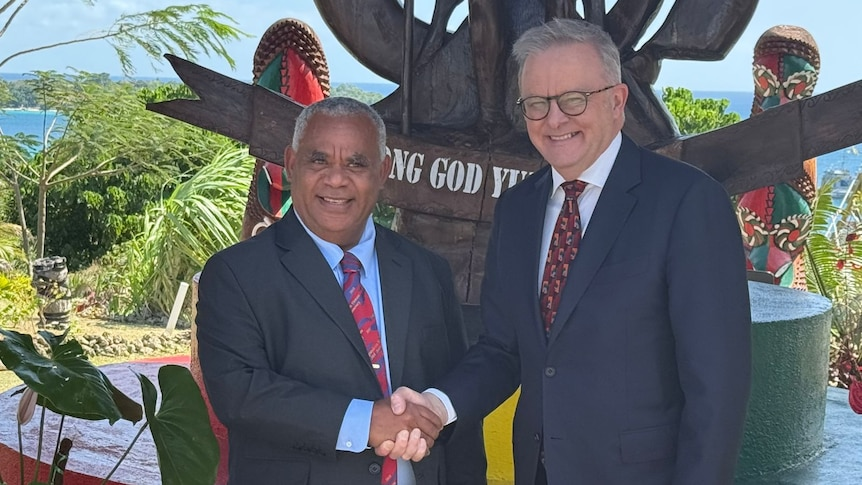
The government of Vanuatu has approved a revised version of the Nakamal Agreement with Australia, marking a significant step in the evolving relationship between the two Pacific nations.
The agreement is expected to deepen cooperation across areas including economic development, security, infrastructure, climate resilience, and regional stability.
The term “nakamal” traditionally refers to a community meeting place in Vanuatu, symbolising dialogue and collective decision making. Naming the agreement after this concept reflects the emphasis both governments place on partnership and regional cooperation.
Pacific diplomacy has become increasingly important in recent years as geopolitical competition intensifies across the region. Australia has expanded engagement with Pacific island nations through aid programs, infrastructure investment, and strategic partnerships.
For Vanuatu, the updated agreement is seen as an opportunity to strengthen economic and development support while maintaining sovereignty and regional priorities.
Government officials in Port Vila have highlighted the importance of cooperation on issues such as disaster preparedness, climate change adaptation, and economic resilience.
Climate vulnerability remains a major concern for Pacific island nations. Rising sea levels, cyclones, and environmental pressures continue to shape regional policy discussions and international partnerships.
Australia’s role in the Pacific has also gained strategic importance amid increasing influence from larger global powers seeking stronger regional ties.
The updated Nakamal Agreement reportedly reflects broader goals around long term stability, people to people connections, and coordinated regional responses to emerging challenges.
Supporters argue that stronger cooperation can improve infrastructure, trade, education, and mobility opportunities for Pacific communities.
However, Pacific nations including Vanuatu have also consistently emphasised the importance of maintaining independent foreign policy positions while engaging with multiple international partners.
Analysts note that agreements of this kind increasingly combine traditional development support with strategic and security dimensions as regional dynamics evolve.
At TMFS, we observe that diplomacy in the Pacific is no longer viewed only through aid relationships. It is increasingly shaped by strategic partnerships, climate resilience, and regional influence.
The approval of the revised Nakamal Agreement highlights how Australia and Vanuatu are seeking to strengthen ties at a time when the Pacific is becoming more central to global geopolitical attention.
For both nations, the challenge ahead will be turning diplomatic commitments into practical outcomes that deliver long term benefits for communities across the region.
All rights belong to their respective owners. This article contains references and insights based on publicly available information and sources. We do not claim ownership over any third party content mentioned.
DAILY WA © 2025
Daily WA Online is an independent news and media platform covering Western Australia. Owned by TMFS International Pty Ltd., we publish local stories, business insights, lifestyle features, and community voices for the digital era.