
Victoria’s Bushfire Crisis Deepens as Burn Area Passes 400,000 Hectares and Authorities Warn of Fire Tourists
Uncontrolled bushfires have burned more than 400,000 hectares across Victoria, with fire authorities warning that people entering active fire zones are placing lives at serious risk.
NEWS & CURRENT AFFAIRS
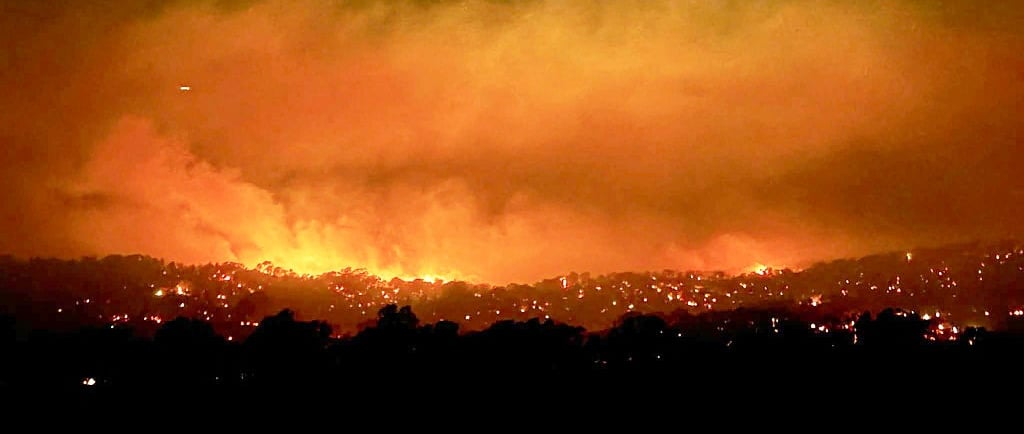
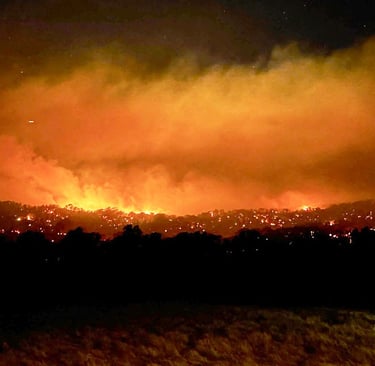
Bushfires test more than land and infrastructure. They test judgement, discipline, and collective responsibility. As Victorian fire authorities continue to battle multiple uncontrolled blazes across the state, the scale of destruction has become stark. More than 400,000 hectares have already been burned, with fire conditions remaining volatile and unpredictable. Amid this emergency, officials have issued strong warnings following reports of so-called fire tourists entering active danger zones.
Fire behaviour across Victoria has been driven by dry conditions, strong winds, and challenging terrain. Fire crews are operating in environments where conditions can change rapidly, turning containment lines into front lines within minutes. For emergency services, the focus remains on protecting lives, critical infrastructure, and communities under threat, often while working extended shifts under extreme physical and mental strain.
The sheer scale of the burn area highlights the severity of the season. Hundreds of thousands of hectares lost is not just a statistic. It represents ecosystems damaged, wildlife displaced or killed, and communities facing long recovery periods. Fire authorities have repeatedly emphasised that even areas not currently under direct threat remain at risk as weather conditions evolve.
Against this backdrop, reports of people deliberately travelling into fire affected areas have alarmed officials. Fire tourists, drawn by curiosity or a desire to capture images, create serious complications for emergency response. Roads needed for fire crews and evacuations become congested. Emergency resources are diverted. Most critically, individuals place themselves in life threatening situations where rescue may not be possible.
Authorities have been clear in their message. Active fire zones are not observation sites. They are dynamic and dangerous environments where visibility can drop suddenly, fire fronts can shift direction, and escape routes can disappear. Entering these areas does not only endanger those individuals. It places additional risk on firefighters who may be forced to attempt rescues under hazardous conditions.
Emergency services across Victoria, including Country Fire Authority and other agencies, rely on public cooperation to operate effectively. Bushfire response is built on coordination, planning, and clear access. Unauthorised presence disrupts these systems at precisely the moment they need to function without interference.
There is also a psychological toll to consider. Firefighters working on large scale incidents are already exposed to high stress, fatigue, and traumatic scenes. Knowing that civilians are entering danger zones unnecessarily adds frustration and moral pressure to an already demanding task. Respecting warnings is not only about personal safety. It is about supporting those on the front lines.
The phenomenon of fire tourism reflects a broader challenge in disaster response. In an age of instant media and social sharing, the line between awareness and spectacle can blur. Images of fire can travel faster than official warnings. Yet no footage or experience is worth the cost of a life, nor the risk imposed on emergency crews.
From a strategic perspective, the situation underscores the importance of clear communication and enforcement during emergencies. Warnings must be unambiguous, and restrictions respected. Bushfires do not allow for negotiation. They respond only to weather, fuel, and terrain, not to intention or curiosity.
At TMFS, we observe similar principles across high risk environments. Systems under extreme pressure depend on trust and compliance to function. When individuals act outside those boundaries, the entire response is weakened. Resilience is not only built by professionals. It is upheld by community behaviour in moments that matter most.
As fires continue to burn across Victoria, authorities are urging residents and visitors alike to stay informed, follow official advice, and avoid restricted areas entirely. The coming days remain critical. Conditions can escalate with little warning, and the margin for error is narrow.
The bushfire emergency unfolding in Victoria is a reminder of the power of natural forces and the limits of human control. It also highlights the importance of responsibility. In times of crisis, staying away can be as important as stepping forward. Protecting lives, including those of firefighters, depends on collective restraint as much as courage.
All rights belong to their respective owners. This article contains references and insights based on publicly available information and sources. We do not claim ownership over any third party content mentioned.
DAILY WA © 2025
Daily WA Online is an independent news and media platform covering Western Australia. Owned by TMFS International Pty Ltd., we publish local stories, business insights, lifestyle features, and community voices for the digital era.