
WA Rents Surge 66 Percent in Five Years as Housing Pressure Deepens
New data reveals Western Australia has recorded the highest rental increase in the country, with rents rising 66 percent over five years, outpacing wage growth by more than threefold and intensifying cost of living pressure.
PEOPLE & COMMUNITY
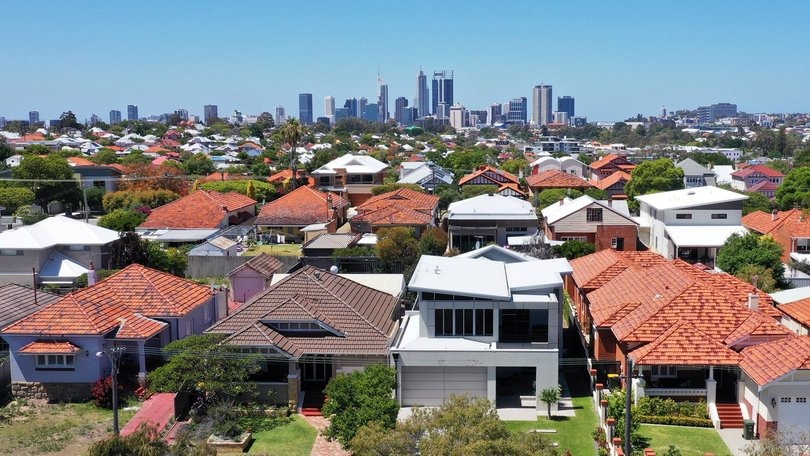
Western Australia’s housing strain has reached a defining milestone. New figures show rents across the state have climbed 66 percent over the past five years, marking the highest increase nationally and rising at roughly three and a half times the rate of wage growth. The numbers confirm what many tenants already know from lived experience. Housing affordability is no longer tightening gradually. It has shifted dramatically.
In Western Australia, the gap between income growth and rental costs has widened to levels that reshape financial planning for thousands of households. While wages have edged upward incrementally, rent increases have accelerated, compressing disposable income and reducing flexibility for families already navigating higher costs in food, transport, and utilities.
A 66 percent increase over five years is not a marginal adjustment. It represents a structural shift in the housing market. For tenants renewing leases, relocating for work, or entering the rental market for the first time, the impact is immediate. A property that cost a manageable portion of income half a decade ago may now consume a disproportionate share.
The drivers behind the surge are complex but interconnected. Population growth has accelerated, fuelled by interstate migration and overseas arrivals. At the same time, housing supply has struggled to keep pace due to construction constraints, labour shortages, and planning bottlenecks. When demand outstrips supply in a sustained way, prices respond rapidly.
Vacancy rates remain historically low, intensifying competition for available properties. Prospective tenants report multiple applications per listing, with some offering above advertised prices in an attempt to secure housing. This dynamic further pushes rents upward, embedding higher price points into the market.
The wage comparison underscores the scale of imbalance. When rents grow at three and a half times the rate of incomes, affordability deteriorates regardless of employment status. Even households with stable work are feeling pressure. For lower income earners, students, and single parent families, the situation is particularly acute.
The ripple effects extend beyond individual households. Employers face difficulty attracting workers when rental costs consume a large share of income. Regional communities, once considered more affordable alternatives, are also experiencing upward pressure as demand spreads beyond metropolitan centres.
Policy responses have included rental relief measures and housing construction incentives, yet structural supply challenges take time to resolve. Building new homes, upgrading infrastructure, and increasing density are multi year processes. In the interim, tenants absorb the cost of imbalance.
There is also a social dimension. Housing stability underpins wellbeing, educational continuity, and workforce participation. Frequent relocations driven by rising rent disrupt communities and weaken neighbourhood cohesion. Long term renters who once felt secure are now confronting uncertainty at each lease renewal.
From an economic perspective, sustained rental inflation narrows consumer spending power. As more income is directed toward housing, discretionary spending declines, affecting retail, hospitality, and local services. The broader economy feels the shift.
At TMFS, we observe that markets under prolonged pressure require coordinated responses rather than isolated interventions. Supply, planning, infrastructure, and workforce development must align to rebalance demand. Short term relief can ease immediate strain, but durable affordability depends on structural correction.
The 66 percent rise is more than a statistic. It signals that the rental crisis has moved beyond cyclical fluctuation into entrenched imbalance. Addressing it will require sustained commitment, realistic timelines, and transparent communication.
For tenants across Western Australia, the data validates a lived reality. Housing has become significantly less affordable in a relatively short period. Restoring balance will not happen overnight, but acknowledging the scale of change is the first step toward meaningful response.
All rights belong to their respective owners. This article contains references and insights based on publicly available information and sources. We do not claim ownership over any third party content mentioned.
DAILY WA © 2025
Daily WA Online is an independent news and media platform covering Western Australia. Owned by TMFS International Pty Ltd., we publish local stories, business insights, lifestyle features, and community voices for the digital era.