
WA Wages Strain as Inflation Outpaces Income Growth
New figures show wages in Western Australia are struggling to keep pace with inflation, intensifying cost of living pressure for households across the state.
BUSINESS & ECONOMY
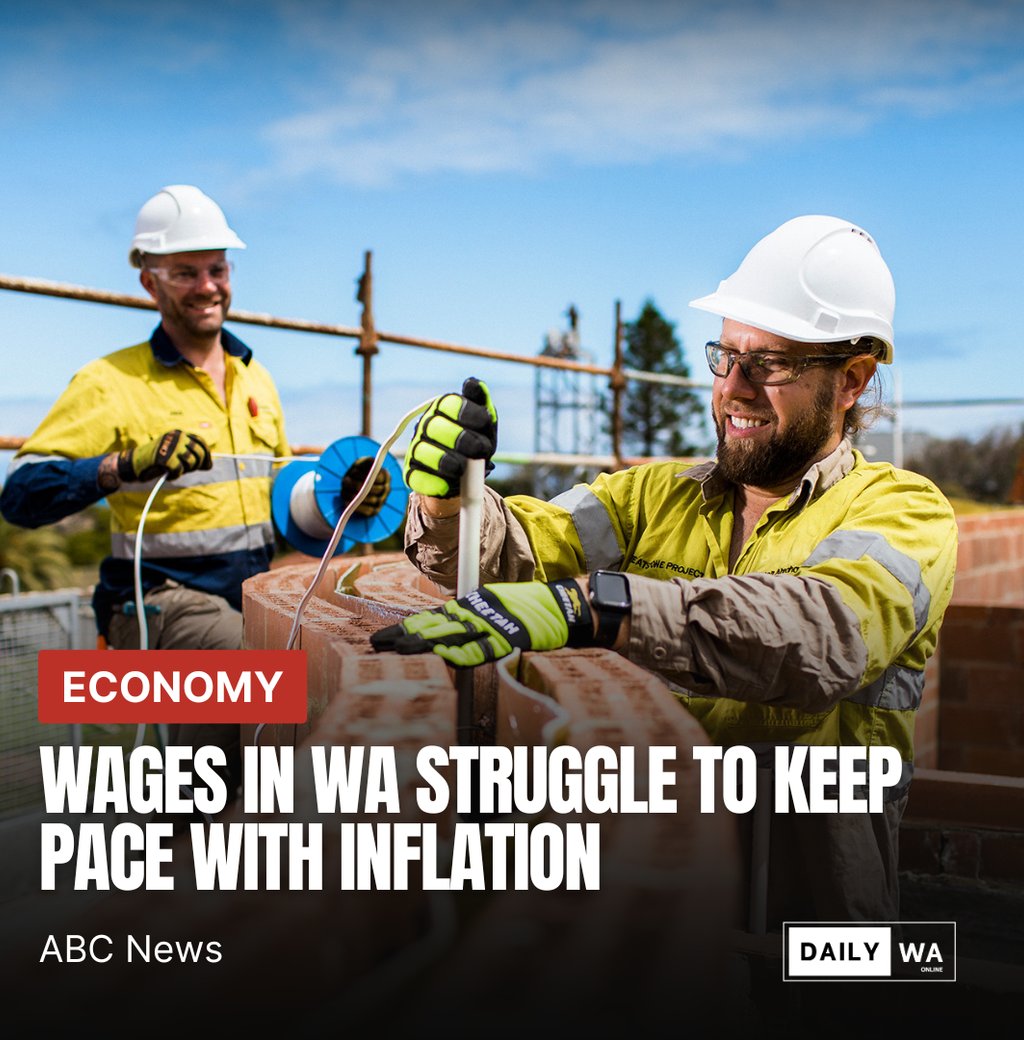
For many households across Western Australia, the gap between income and expenses is becoming increasingly visible. New economic data indicates that wage growth in the state is failing to match the pace of inflation, eroding real purchasing power and amplifying cost of living concerns.
On paper, wages may be rising modestly. In practice, however, higher prices for essentials such as groceries, rent, fuel, and utilities are outstripping those gains. When inflation moves faster than pay packets, households feel the squeeze immediately.
The effect is cumulative. Each incremental rise in food prices or energy bills compounds over time. For families managing mortgages or rental increases, the margin for discretionary spending narrows further. Even stable employment does not fully shield workers from reduced real income when inflation remains elevated.
Western Australia’s economy has demonstrated resilience in sectors such as mining and construction, yet broad based wage growth has not accelerated sufficiently to offset price pressures. Public sector workers, service employees, and those on fixed incomes are particularly exposed.
Inflationary drivers have been both global and domestic. Supply chain disruptions, higher energy costs, and sustained demand following pandemic recovery have contributed to upward price movement. While inflation has moderated from peak levels nationally, it continues to outpace wage growth in several jurisdictions.
For businesses, the challenge is complex. Raising wages significantly can place pressure on operating margins, particularly in small and medium enterprises already facing higher input costs. Yet without stronger wage growth, consumer demand may weaken as spending power declines.
The impact extends beyond immediate consumption. When households divert more income toward essentials, savings rates can fall. Reduced financial buffers increase vulnerability to unexpected expenses, from medical costs to car repairs.
In Perth, housing affordability remains a central pressure point. Rental increases and mortgage repayments absorb a significant share of income, leaving less flexibility elsewhere. Combined with higher transport and food costs, the effect becomes systemic.
Economic analysts note that restoring balance between wages and inflation requires coordinated policy settings. Monetary policy, labour market conditions, and productivity growth all influence wage dynamics. Sustained improvement in real incomes depends on both moderating inflation and strengthening wage growth.
There is also a social dimension. Persistent real wage stagnation can affect morale, workforce mobility, and long term financial planning. Younger workers attempting to enter housing markets or build savings face heightened difficulty when earnings lag behind rising costs.
At TMFS, we observe that economic resilience is measured not only by headline growth figures but by household stability. When wage growth trails inflation for extended periods, confidence can soften, influencing broader economic momentum.
The current data underscores a familiar reality. Nominal increases do not automatically translate into improved living standards. Real purchasing power remains the benchmark that shapes daily experience.
As policymakers monitor inflation trends and labour market shifts, the central question remains whether wage growth can regain pace. Until it does, Western Australian households will continue navigating a landscape where pay rises feel smaller than the bills they are meant to cover.
All rights belong to their respective owners. This article contains references and insights based on publicly available information and sources. We do not claim ownership over any third party content mentioned.
DAILY WA © 2025
Daily WA Online is an independent news and media platform covering Western Australia. Owned by TMFS International Pty Ltd., we publish local stories, business insights, lifestyle features, and community voices for the digital era.