
Western Australia Approves Woodside’s North West Shelf Project Extension
The WA Government has approved the extension of Woodside Energy’s North West Shelf Project, ensuring continued LNG production and investment in Australia’s largest and longest-operating gas venture.
NEWS & CURRENT AFFAIRS
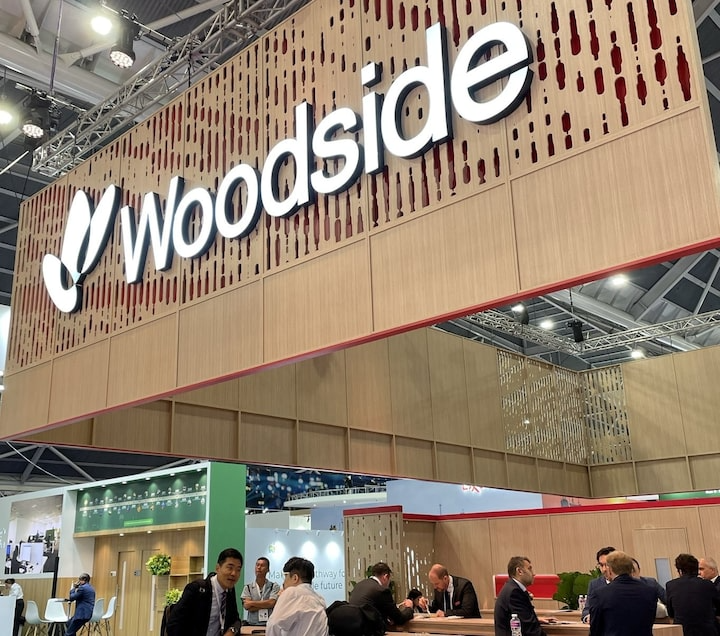
Western Australia has officially cleared the way for the extension of Woodside Energy’s North West Shelf (NWS) Project, one of the country’s most significant energy developments. This green light secures the project’s future well into the coming decades, cementing its role as a cornerstone of both the state and national energy landscape.
The approval, granted following extensive environmental assessments and public consultations, allows continued gas processing operations at the Karratha Gas Plant beyond the original license period. This decision marks a key milestone in maintaining Australia’s position as a global leader in LNG exports while supporting thousands of local jobs and regional economic growth.
Woodside’s North West Shelf Project, which began operations in the 1980s, has been a critical driver of Western Australia’s economic prosperity. It has generated billions in revenue, supported domestic gas supply, and underpinned long-term trade relationships—particularly with Asian markets such as Japan, China, and South Korea.
However, the project’s extension has not come without environmental scrutiny. Conservation groups and climate advocates have voiced concerns about the continued development of fossil fuel infrastructure amid the global transition to renewable energy. They argue that long-term gas projects risk locking in carbon emissions inconsistent with Australia’s net-zero commitments.
In response, Woodside Energy has pledged to implement advanced emission reduction strategies, including carbon capture and storage (CCS), as well as investing in renewable initiatives to offset the project’s environmental impact. The company emphasized that the extension is essential for ensuring energy security during the transition period, as the world gradually shifts toward low-carbon alternatives.
Western Australia’s Minister for Environment noted that the decision balances economic necessity with environmental accountability. “The NWS Project remains a key part of WA’s energy infrastructure,” the Minister stated. “The extension ensures continued economic stability and employment opportunities while requiring stringent environmental management plans to minimize emissions.”
The Karratha Gas Plant will continue processing gas from various offshore fields, with capacity to handle third-party gas under the project’s new operational model. This approach reflects the evolving nature of the state’s energy industry, where existing infrastructure is being leveraged to optimize efficiency and support new exploration projects.
From a regional perspective, the project’s continuation offers significant benefits. Local businesses in the Pilbara region, along with Indigenous communities, stand to gain from new contracts, training opportunities, and infrastructure investments tied to the project’s lifespan extension.
The approval also aligns with Western Australia’s broader energy strategy—balancing economic growth, energy export potential, and a managed transition toward cleaner technologies. Analysts suggest that while renewable projects are expanding rapidly, natural gas will continue to play a bridging role in the state’s energy mix for at least the next two decades.
In essence, the extension of the North West Shelf Project underscores the complex reality of Australia’s energy future. It reflects a pragmatic approach—sustaining economic stability and global competitiveness while laying the groundwork for eventual decarbonization.
As Woodside moves forward with the implementation phase, all eyes will be on how effectively it manages its environmental commitments and aligns with evolving climate policies. The outcome could serve as a benchmark for how major legacy projects navigate the intersection of industry, economy, and sustainability in the years ahead.
All rights belong to their respective owners. This article contains references and insights based on publicly available information and sources. We do not claim ownership over any third-party content mentioned.
DAILY WA © 2025
Daily WA Online is an independent news and media platform covering Western Australia. Owned by TMFS International Pty Ltd., we publish local stories, business insights, lifestyle features, and community voices for the digital era.