
Why Western Australia Must Prioritise Sustainable Water Management in the Decades Ahead
Long term water security is emerging as one of WA’s most critical challenges, demanding strategic planning, innovation, and collective responsibility.
OPINION & VOICES
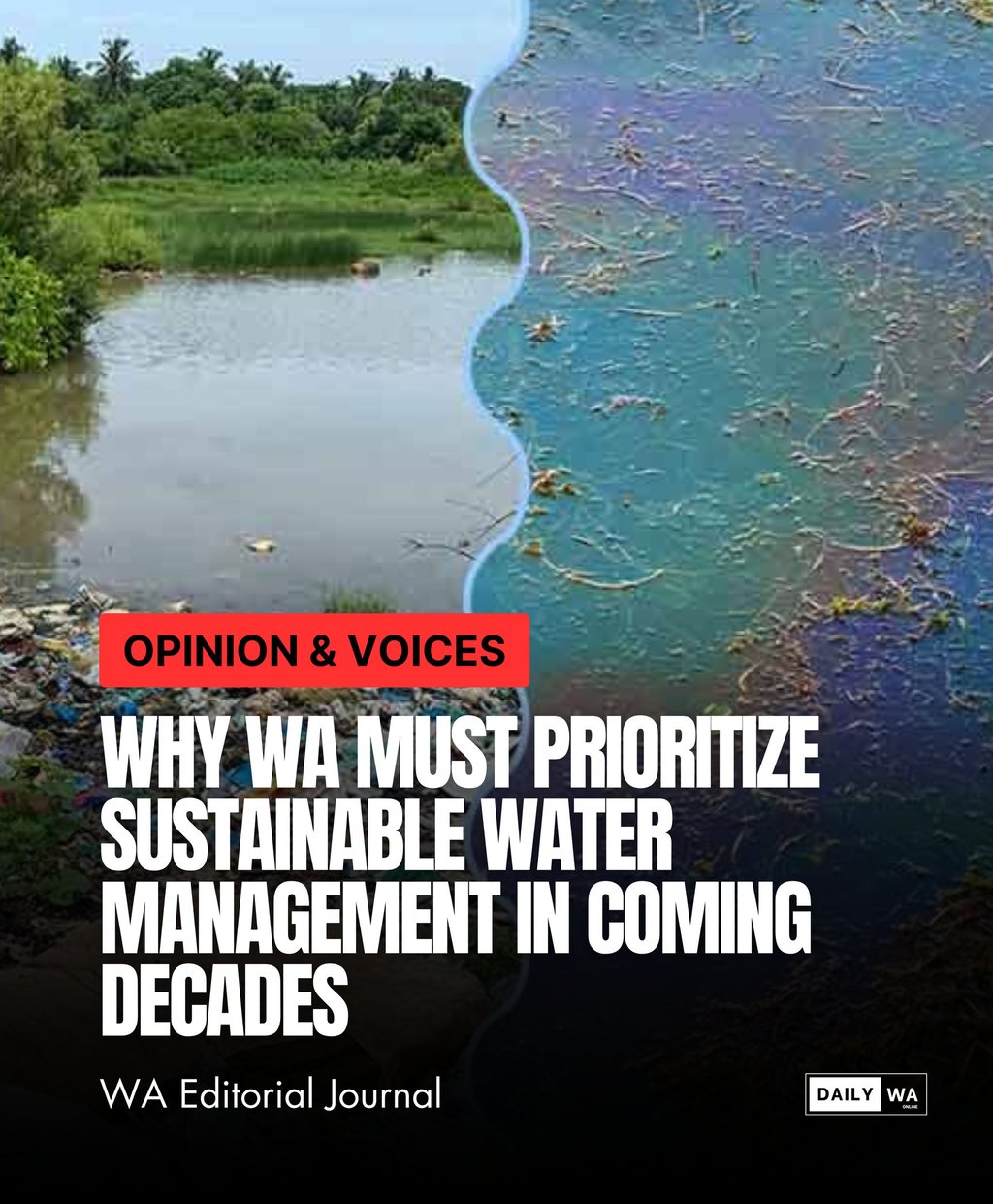
Water shapes the future of every community. It determines how cities grow, how industries operate, and how regional landscapes remain resilient through environmental change. In Western Australia, where vast distances and dry climates define daily life, the question of water management carries exceptional weight. As population growth accelerates and climate patterns shift, the state is entering a decisive moment. The next decades will test whether our systems can adapt quickly, sustainably, and intelligently enough to safeguard the prosperity and wellbeing of future generations.
The urgency is not hypothetical. Scientific modelling shows that rainfall across southern WA has declined significantly over the past half century, with long term projections suggesting continued pressure on natural water sources. At the same time, demand for water is rising due to urban expansion, agricultural development, and industrial growth. These converging trends prime policymakers, communities, and industries to recognise that water security can no longer be treated as a background issue. It must be approached with the same strategic focus given to energy transition, economic diversification, and infrastructure development.
Desalination has played a critical role in bolstering WA’s urban water supply, and new projects are already in planning stages. Yet desalination alone cannot carry the full weight of future demand. It must be supported by diversified strategies that include groundwater replenishment, expanded recycling systems, and more efficient agricultural water use. Studies from global sustainability institutes demonstrate that regions with multi layered water systems achieve higher long term resilience and lower vulnerability during prolonged dry periods. WA now stands at a juncture where adopting these models is no longer optional but foundational.
Regional communities face distinct challenges. Agriculture remains a cornerstone of the state’s economy, yet it is also one of the most water intensive sectors. In the Wheatbelt and South West, variability in rainfall creates unpredictability that can affect crop yields, livestock health, and farm viability. Water efficiency technologies, precision irrigation, and catchment management improvements offer significant potential, but they require investment and ongoing collaboration. When farmers, researchers, and government agencies work together, the path toward sustainable water use becomes clearer. These partnerships can transform risk into resilience, ensuring that agriculture continues to thrive even as environmental conditions evolve.
Urban centres must also adapt. Perth’s growth trajectory places increasing pressure on existing water infrastructure. Demand management measures such as smart metering, leak detection technologies, and efficient household systems will play a central role in shaping the city’s water future. International examples show that cities implementing integrated water cycle management reduce consumption levels while improving overall system performance. Such approaches position water not simply as a resource to be supplied but as an asset to be stewarded.
Another fundamental element is public engagement. Water sustainability cannot rely on infrastructure alone. It requires informed, collective behavioural change. Community awareness campaigns, school programs, and public reporting of consumption trends have all proven effective in shaping responsible water use. When communities understand the stakes, they take ownership of the solution. WA has already seen this during past periods of restriction, demonstrating that behavioural change can deliver measurable and lasting impact.
Environmental stewardship must also remain at the forefront. Healthy ecosystems are natural water managers. Wetlands, forests, and river systems contribute to filtration, storage, and biodiversity support. As climate conditions shift, protecting and restoring these systems becomes essential. Environmental scientists emphasise that resilient natural landscapes help stabilise water cycles and reduce downstream impacts such as salinity and erosion. Preserving these assets is not only an environmental responsibility but a practical, long term component of water security.
Strategically, sustainable water management mirrors the broader principles that drive resilient planning across all sectors. It demands forward thinking, cross sector collaboration, and disciplined long term investment. At TMFS, we see these principles reflected in the organisations we support. Whether navigating environmental risk, planning for future growth, or strengthening operational systems, successful strategies hinge on clarity, adaptability, and evidence based decision making. Water management is no different. It requires decisions today that anticipate the needs of tomorrow.
As Western Australia looks toward the coming decades, the message is unmistakable. Water is a finite asset with growing demand and increasing environmental pressure. Prioritising sustainable water management is essential to safeguarding economic stability, environmental health, and community wellbeing. It is an investment not only in infrastructure but in future opportunity.
The path forward invites leadership at every level. Governments must continue building robust water systems. Industries must innovate. Communities must stay engaged. Through shared effort and strategic foresight, WA can build a future where water security strengthens resilience, supports growth, and protects the landscapes we depend on.
TMFS remains committed to supporting organisations and communities as they navigate these long term challenges, championing strategic approaches that ensure Western Australia is prepared for a changing world.
All rights belong to their respective owners. This article contains references and insights based on publicly available information and sources. We do not claim ownership over any third party content mentioned.
DAILY WA © 2025
Daily WA Online is an independent news and media platform covering Western Australia. Owned by TMFS International Pty Ltd., we publish local stories, business insights, lifestyle features, and community voices for the digital era.