
Wrong Turn and Private Health Struggle May Have Contributed to Missing Prospector’s Suspected Death
Investigators believe a navigational error and an undisclosed cancer battle may have been contributing factors in the suspected death of a missing prospector in remote Western Australia.
PEOPLE & COMMUNITY

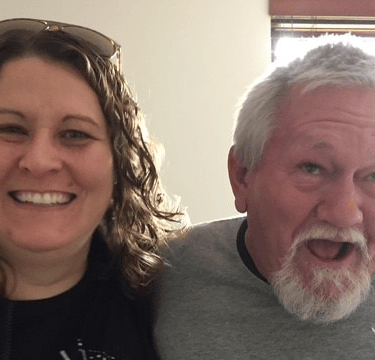
A fateful wrong turn on a remote track and a quiet battle with cancer are emerging as possible factors in the suspected death of a missing prospector in Western Australia’s vast interior.
Authorities say the man had been travelling alone in a remote area known for gold prospecting when he failed to return as expected. Search efforts were launched after concerns were raised by family and associates, with police and emergency services combing rugged terrain under difficult conditions.
Preliminary findings suggest the prospector may have veered off his intended route, entering isolated country where tracks quickly narrow, disappear, or become impassable. In the outback, a single navigational error can escalate rapidly. Limited signage, patchy communication coverage, and extreme temperatures create an unforgiving environment.
Investigators have also indicated the man had been privately managing a cancer diagnosis, information that was not widely known. While authorities have not confirmed a cause of death, they are examining whether underlying health issues may have affected decision making, endurance, or capacity to seek assistance once difficulties arose.
Remote prospecting remains a longstanding tradition across Western Australia, attracting individuals drawn to independence and the possibility of discovery. Yet the same isolation that defines the experience also amplifies risk. Vehicle breakdowns, dehydration, and medical emergencies can become life threatening without immediate support.
Search teams faced significant logistical challenges during the operation. Vast distances, extreme weather, and limited access routes complicated efforts. Remote searches often rely on aerial reconnaissance and ground crews navigating difficult terrain, underscoring the scale of the landscape involved.
Authorities have reiterated the importance of travel planning and communication in remote regions. Carrying satellite phones or emergency beacons, informing contacts of travel routes, and preparing for sudden changes in conditions are critical safeguards. In environments where help may be hours or days away, preparation can mean survival.
The case also reflects the hidden dimension of personal health struggles. Serious illnesses such as cancer can impose physical and cognitive strain even when outwardly managed with resilience. Fatigue, reduced stamina, and side effects may impair capacity in high risk settings.
While investigations continue, officials have extended condolences to the prospector’s family. Formal findings will determine the cause and circumstances of death, providing clarity where possible.
For many regional communities, the incident is a stark reminder of both the allure and the hazards of remote exploration. The outback rewards experience and preparation, but it does not forgive error easily.
At TMFS, we observe that risk management in remote environments depends on layered safeguards. Navigation planning, health awareness, communication tools, and contingency strategies all intersect to reduce exposure. When one layer falters, vulnerability increases.
The suspected death of the missing prospector brings together two quiet forces. A wrong turn on an empty track and a private health battle carried alone. In remote country, small variables can compound quickly, and resilience has limits.
As authorities finalise their inquiries, the broader message is clear. Preparation, transparency about personal health, and respect for environmental conditions remain essential when venturing into Western Australia’s remote landscapes.
All rights belong to their respective owners. This article contains references and insights based on publicly available information and sources. We do not claim ownership over any third party content mentioned.
DAILY WA © 2025
Daily WA Online is an independent news and media platform covering Western Australia. Owned by TMFS International Pty Ltd., we publish local stories, business insights, lifestyle features, and community voices for the digital era.